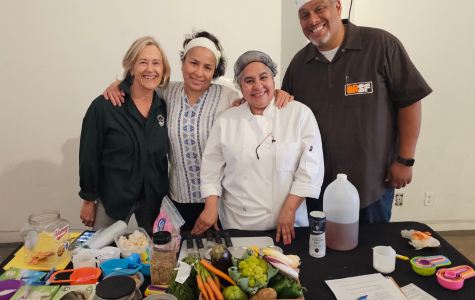
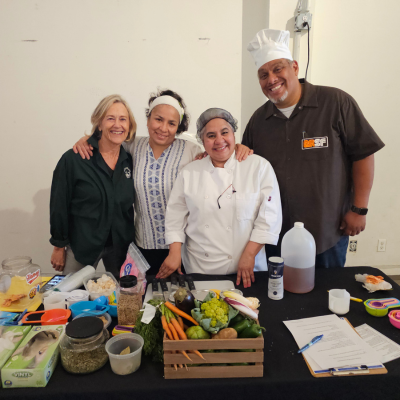
20 people. One knife-wielding instructor. Zero wasted veggies.
That was the simple but powerful outcome of our recent Scrappy Cooking Class, hosted in partnership with the San Francisco Environment Department, at La Offrenda in San Francisco’s Mission District. What might have looked like a fun, hands-on cooking workshop was actually something much bigger: a reminder that preventing food waste starts with knowledge, confidence, and a willingness to try something new.
From Pantry Staples to Pickled Perfection
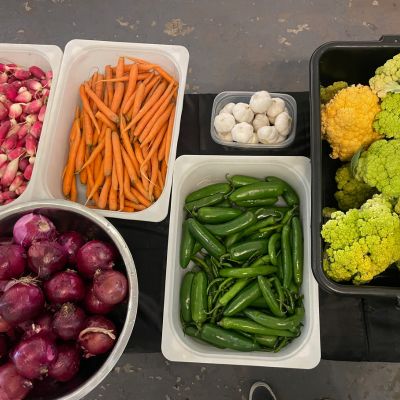
At the heart of the class was Chef Violeta, who guided participants through the art of pickling—transforming everyday pantry produce into something vibrant, flavorful, and long-lasting. Carrots, cauliflower, onions, peppers, radishes, and garlic—ingredients commonly found in La Offrenda’s food pantry—were packed into jars and brought to life with technique and creativity.
Each participant left not only with their own jar of homemade pickles, but with a deeper understanding of how simple preservation methods can extend the life of fresh food. Pickling isn’t just a culinary skill, it’s a practical tool in the fight against food waste.
Building Confidence Around “Unfamiliar” Foods
One of the biggest drivers of food waste isn’t spoilage, it’s uncertainty. When people receive vegetables they don’t recognize or don’t know how to prepare, those items are far more likely to go unused.
That’s why Chef Violeta also focused on eggplant and chicory, two nutritious, delicious vegetables that can feel intimidating if they’re not part of your regular cooking routine. By sharing approachable recipes and culturally relevant preparation ideas, she helped participants see these ingredients not as challenges, but as opportunities.
When people feel confident in the kitchen, they waste less. It’s that simple.
Food Recovery Meets Food Education
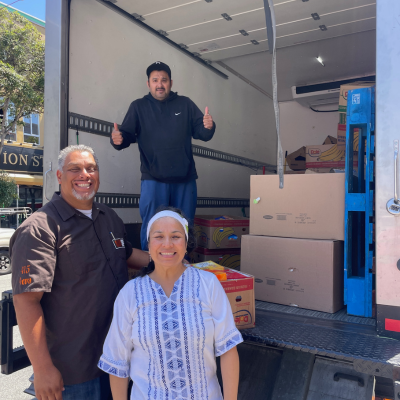
ExtraFood delivers fresh, surplus food to La Offrenda’s pantry every week. But getting food into the community is only part of the solution. Ensuring that food is actually used—and enjoyed—is just as critical.
This class was a perfect example of how food recovery and food education go hand in hand. By pairing rescued produce with hands-on learning, we’re helping close the loop: from surplus to sustenance, without waste in between.
“New Ideas, Less Waste”
Our team member Kathy, who helped coordinate the event, summed it up best:
“Every single person left with fresh skills, new recipes, and the confidence to turn an unfamiliar veggie into something delicious, instead of something discarded. New ideas, less waste, more satisfied taste buds. That’s the ExtraFood way!”
And that’s really the heart of it. Food waste prevention isn’t just about logistics—it’s about empowerment. It’s about giving people the tools and inspiration to make the most of what they have.
The Bigger Picture
In the U.S., nearly 40% of food goes to waste. Meanwhile, millions of people face food insecurity. Bridging that gap requires more than redistribution—it requires rethinking how we value and use food in our daily lives.
Workshops like this may seem small, but their impact ripples outward. Each jar of pickles represents food saved, money stretched, and confidence gained. Each participant carries those lessons home, sharing them with family, friends, and their broader community.
Because when we learn to see the potential in every carrot, every leaf, every “scrap,” we don’t just reduce waste—we build a more resilient, connected food system.
Want a great pickling recipe? Check this one out!
 |  |  |